Sumner County, TN

Whiplash Chiropractor
for Sumner County, TN

WAD grading, motion-study X-rays, and post-crash recovery care for drivers across Sumner County.

Whiplash is the most common injury after a rear-end collision, and one of the most frequently missed. Symptoms can show up days later. We use a focused exam, the Quebec Task Force WAD grading system, motion-study X-rays, and an in-office SWAY concussion screen to evaluate what actually happened to the neck, and then build a specific care plan around the findings.

Claim Free Consultation Call (615) 219-9912
★★★★★ 5.0 from 94 patient reviews
★★★★★ 5.0 · Quebec Task Force WAD grading · Motion-study X-rays · Auto insurance & MedPay accepted
What Whiplash Actually Is

A specific injury to the neck, not a vague soreness.

Whiplash happens when the head and neck are forced rapidly forward and back, stressing the soft tissue, ligaments, joints, and discs of the cervical spine. It does not require a high-speed crash to occur. Low-speed rear-end collisions on I-65, Vietnam Veterans Pkwy, or Hwy 109 produce whiplash routinely, and the symptoms often do not appear for 24 to 72 hours.

The reason whiplash is frequently missed is that the injury sits in the connective tissue and the small joints of the neck, not in the bones. Standard ER imaging is set up to rule out fractures and immediate cord emergencies. It does not measure cervical curve, it does not run motion-study films to expose ligament instability, and it does not assess the upper cervical spine in detail. So patients are routinely told "everything looks fine" and sent home with ibuprofen, even when real soft-tissue and joint injuries are present.

Untreated whiplash often becomes chronic. Pain matters, but pain does not always tell the full story. A neck injury that gets shrugged off in the moment can quietly drive significant spinal degeneration years later, and by the time it becomes a daily problem it is much harder to reverse. Early evaluation and specific care give the injury a real chance to heal.

Claim Free Consultation
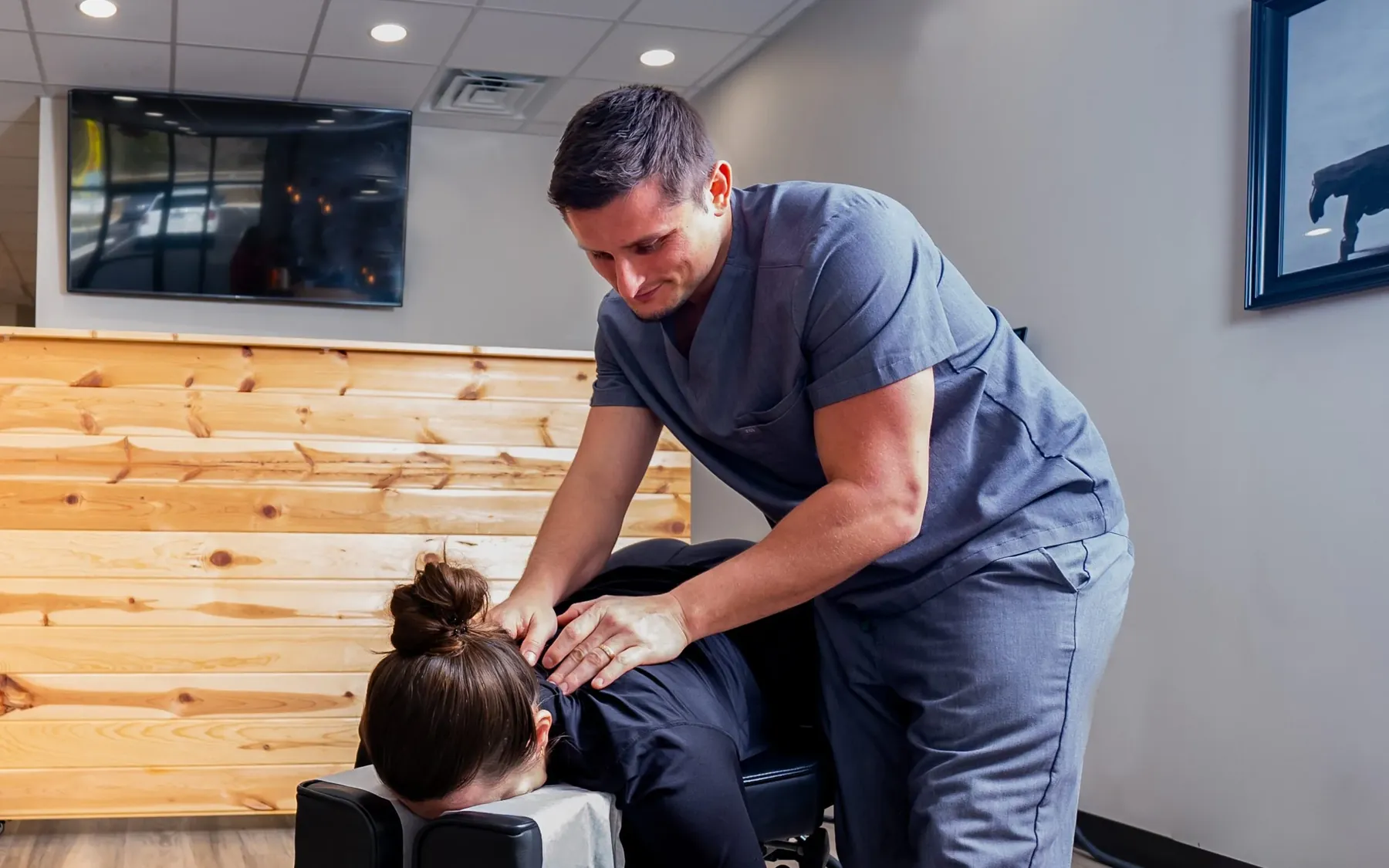
Dr. Palmer Piana evaluating a Sumner County whiplash patient
The Whiplash Workup

What we look for in a whiplash exam.

A real whiplash evaluation is more than "rate your pain." These are the specific things we test for, and most of them are skipped at the ER and at general urgent care.

01 Classification

WAD grading (I through IV)

Formal Quebec Task Force whiplash-associated disorder classification. The grade drives the care plan, activity restrictions, prognosis, and documentation. Often skipped by providers without specific motor vehicle injury training.

02 Imaging

Ligament instability on motion-study X-rays

Flexion, extension, and lateral bending views expose ligament damage that static films miss. Ligament instability is one of the leading drivers of chronic post-whiplash pain and the most common reason settlements drag on.

03 Neuro

Concussion screen (SWAY in-office)

SWAY is a validated balance and neurocognitive screen we run on site to objectively check for concussion after a crash. Many post-whiplash concussions are missed because nobody tested cognition, balance, or reaction time.

04 Spine

Upper cervical (C1/C2) assessment

The upper cervical spine takes a disproportionate share of force in a whiplash event. It is also a common source of post-crash headaches, dizziness, and brain fog. We assess it specifically, and bring in Blair Upper Cervical imaging when needed.

05 Spine

Loss of cervical curve

Even minor rear-end impacts can flatten or reverse the natural curve of the neck. That structural change accelerates degeneration over time. We measure curve angles on lateral imaging and track them across the course of care.

06 Soft Tissue

Soft-tissue injury grading

Muscle strain, joint capsule injury, and disc involvement each call for a different approach. We grade soft-tissue injury severity at the exam and adjust the care plan as the tissue heals.

Quebec Task Force Classification

Whiplash-Associated Disorder grading explained.

The Quebec Task Force classification is the standard clinical system for grading whiplash-associated disorder (WAD). Grades I through IV describe how severe the injury is and what structures are involved, and the grade drives the care plan, activity restrictions, expected timeline, and documentation. Most general providers do not formally grade whiplash, which is one reason post-crash patients end up bouncing between providers without a clear picture of what is going on.

We grade every whiplash case at the exam. The grade goes in the chart, gets shared with your adjuster or attorney when needed, and becomes the reference point for tracking your recovery over the course of care.

WAD Grade I
Neck complaint, no physical signs
Pain, stiffness, or tenderness in the neck, with no measurable loss of motion and no neurological signs on exam. Often resolves quickly with focused care, but should still be documented and tracked.
WAD Grade II
Neck complaint with musculoskeletal signs
Pain plus measurable findings: reduced range of motion, point tenderness, or joint involvement. The most common grade we see in Sumner County. Typically requires a focused, multi-week care plan with motion-study imaging.
WAD Grade III
Neck complaint with neurological signs
Pain plus neurological findings: reduced or absent reflexes, weakness, or sensory loss. Requires careful evaluation, often MRI, and a longer, more conservative care plan.
WAD Grade IV
Neck complaint with fracture or dislocation
Structural injury to the cervical spine. Requires immediate medical management. Chiropractic care is not the first step for Grade IV and we coordinate with the appropriate specialist before any conservative care begins.
Sumner County Cities Served

Whiplash care for drivers across Sumner County.

We see whiplash patients from every corner of Sumner County. Most are within a 10 to 25 minute drive on Hwy 31E, Vietnam Veterans Pkwy, Hwy 109, or I-65. The office is at 1921 Nashville Pike in Gallatin.

Gallatin

The office is in Gallatin, on Nashville Pike between Cages Bend and Douglas Bend. Most Gallatin crashes we see come off Nashville Pike, Hwy 109, or the Hwy 25 corridor. Same-day evaluations.

Hendersonville

10 to 15 minutes on Vietnam Veterans Pkwy or Hwy 31E. We see patients after collisions on Indian Lake Blvd, Hwy 31E, and Vietnam Veterans Pkwy regularly. Dedicated Hendersonville page.

Portland

About 20 minutes north on I-65 or Hwy 31. Portland drivers come in after crashes on I-65 and Hwy 109. We bill auto insurance and MedPay directly for Portland patients.

White House

About 20 minutes on Hwy 76 and I-65. White House drivers often come in after rear-end collisions near the I-65 / Hwy 76 interchange. Same-day evaluations available.

Goodlettsville

About 20 to 25 minutes on Vietnam Veterans Pkwy. We see Goodlettsville patients after crashes on Long Hollow Pike, Conference Dr, and the I-65 corridor.

Westmoreland, Bethpage & Castalian Springs

15 to 25 minutes on Hwy 25 or Hwy 31E. Rural Sumner County drivers come in for the same workup: motion-study X-rays, WAD grading, SWAY concussion screen, and clear documentation.

Our Whiplash Care Process

A specific, documented evaluation from day one.

We do not run a generic whiplash protocol. The exam is built around the mechanics of your collision, your symptoms, and what the imaging reveals. Care follows the findings.

1
Accident history and symptom timeline
We document the collision details, when symptoms started, and how they have progressed. All of which matters for your records and for any adjuster or attorney.
2
Full chiropractic and neurological exam
Range of motion, orthopedic and neurological testing, WAD grading, and SWAY concussion screening when indicated, to identify which structures were stressed and how severely.
3
Digital and motion-study X-rays
Static and motion films document spinal alignment, cervical curve, and ligament integrity. The objective baseline that ER films usually do not capture.
4
Specific care plan and clear documentation
Care is built around your WAD grade and your findings. Everything is documented from day one, in a format adjusters and attorneys can use.
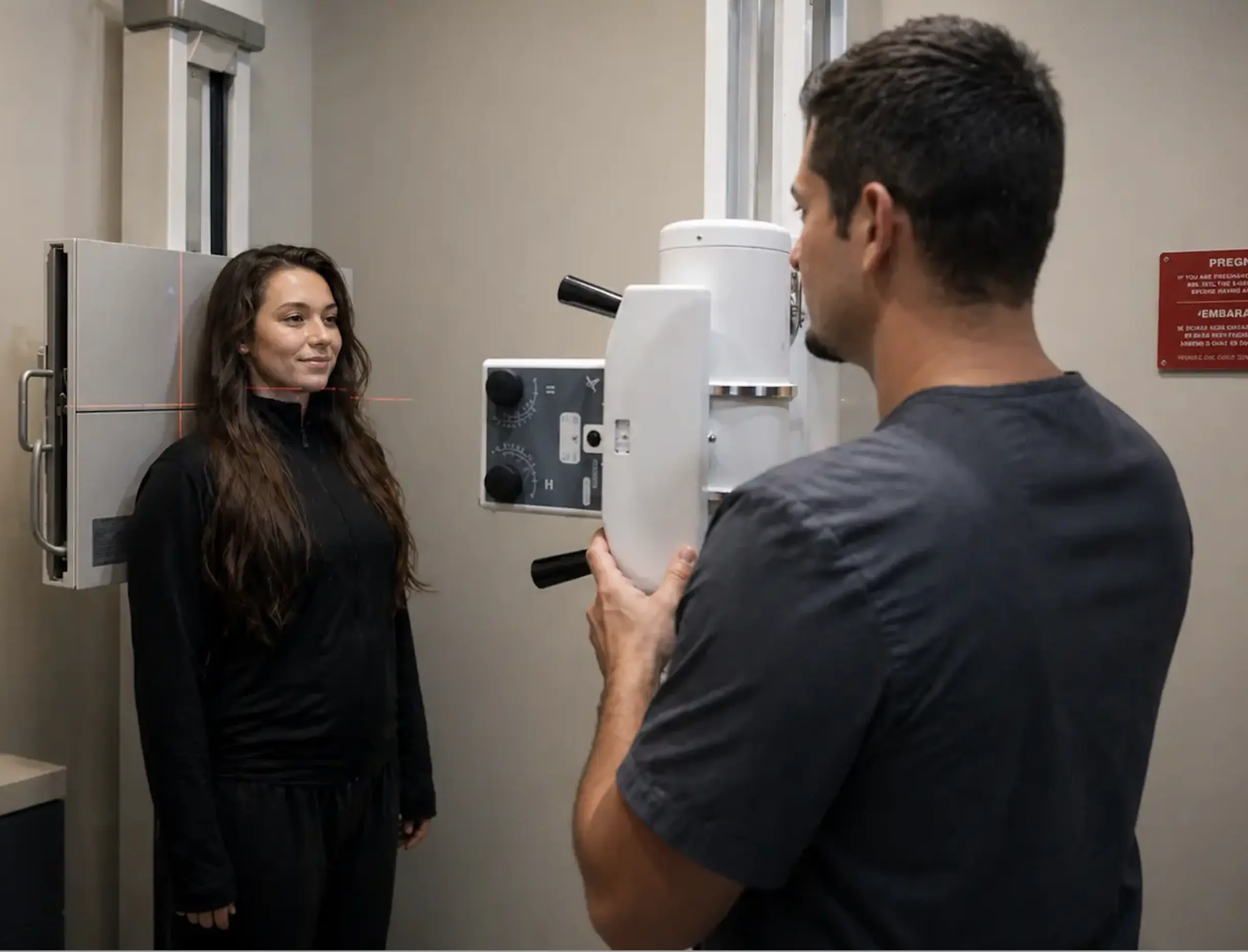
X-ray imaging suite at Life Charge Chiropractic for Sumner County whiplash patients
"Whiplash is a real, specific injury. Treat it like one. Grade it, image it properly, document it, and build the care plan around what the exam actually shows."
Dr. Palmer Piana, Life Charge Chiropractic
Frequently Asked Questions

Whiplash FAQ for Sumner County drivers.

Is whiplash always immediate?
No. Whiplash symptoms often take 24 to 72 hours to appear, and sometimes longer. The soft tissue, ligaments, and joints of the neck are stressed in the moment of impact, but inflammation and guarded muscle patterns develop over hours and days. Many patients walk away from a crash feeling fine and wake up with significant neck pain, headaches, or dizziness.
Do I need an MRI for whiplash?
Not always. For most whiplash cases, a focused exam plus motion-study X-rays gives us what we need to identify ligament instability, loss of cervical curve, and the segments most affected. When the exam suggests a disc herniation, nerve root involvement, or possible cord injury, we coordinate an MRI. Those findings change the right course of care.
Will my auto insurance cover whiplash chiropractic care?
In most cases, yes. Tennessee auto insurance policies often include MedPay coverage that pays for chiropractic care regardless of fault, and at-fault driver bodily injury coverage can also apply. We bill auto insurance directly and accept personal injury liens and letters of protection when an attorney is involved.
How long does whiplash care typically take?
It depends on the WAD grade, how soon care started, and what the imaging shows. Mild cases (WAD I) often resolve in a few weeks of focused care. Moderate cases (WAD II) with joint involvement typically take a couple of months. More severe cases (WAD III) involving neurological signs take longer and require closer monitoring. The exam and imaging set the expected timeline up front.
What if I already saw the ER and they said I am fine?
That is the most common story. The ER rules out the immediate emergencies, which is its job. It does not typically run motion-study X-rays, formal WAD grading, an upper cervical exam, or a SWAY concussion screen. Those are the things that catch the injuries driving long-term post-accident pain, and they need a dedicated chiropractic exam.

Whiplash from a Sumner County crash? Get a real workup.

Same-day & next-day evaluations at Life Charge Chiropractic in Gallatin, TN.

Claim Free Consultation
Call (615) 219-9912Free Consult