Gallatin & Hendersonville, TN

Vertigo
Chiropractor

Life Charge Chiropractic helps patients in Gallatin and Hendersonville understand what is actually driving the dizziness, and how the upper cervical spine, the inner ear, and the nervous system are connected.

Schedule First Visit Call (615) 219-9912
Beneath the Surface

Vertigo is rarely just an inner ear problem.

Vertigo is the sensation that you or the room is spinning. It is not the same as feeling lightheaded, faint, or off-balance, and the type of dizziness you are experiencing matters. So does the cause. Most cases are not what people assume.

At Life Charge Chiropractic, we evaluate the upper cervical spine, the vestibular system, eye tracking, balance, and the connected inputs your brain uses to keep you oriented. Many patients we see for vertigo have already been to the ENT, had tests run, and been told everything looks fine, even though they are still dizzy.

When the picture is right for chiropractic care, the results are often quick. The key is finding out what is actually driving it.

Schedule First Visit
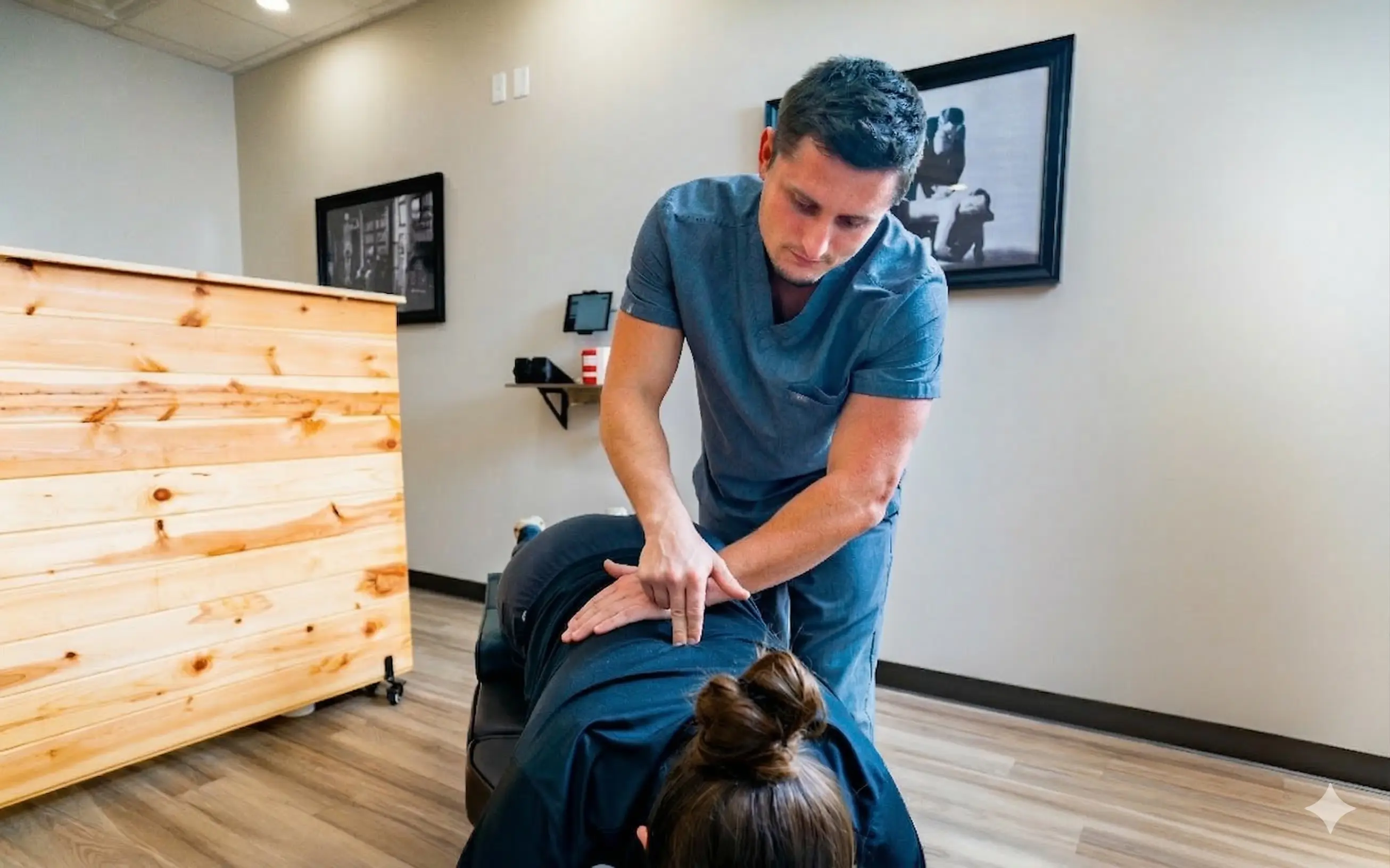
Dr. Palmer performing an upper cervical adjustment
What Patients Describe

Common vertigo and dizziness presentations.

Spinning when you roll over in bed
A sudden spinning sensation triggered by lying down or rolling over is a classic pattern of BPPV, often very responsive to specific care.
Dizziness with neck movement
When dizziness is provoked by turning your head, looking up, or holding a position, the upper cervical spine is often part of the picture.
Off-balance or unsteady walking
A sense of being pulled to one side, swaying while standing, or feeling unsteady walking is a balance signal worth evaluating, not waiting on.
Dizziness after a car accident
Vertigo and dizziness that show up after a collision or head impact often trace back to the upper cervical spine and need a focused exam.
Vertigo with nausea
Spinning episodes paired with nausea, sweating, or visual blur are common patterns of vestibular involvement, and they have a real cause that can be found.
Persistent fog or disorientation
A constant sense of haziness, brain fog, or feeling slightly disconnected from your environment is a different presentation than spinning, and it deserves the same careful look.
Our Approach

A connected-system look at why you are dizzy.

Balance is a team sport. Your inner ear, your eyes, and the joints in your upper neck all send signals that tell your brain where you are in space. When one of those inputs is off, the system gets confused. We test all of them.

1
Detailed dizziness history
When the episodes started, what triggers them, how long they last, and what makes them better or worse, all map to specific causes worth ruling in or out.
2
Upper cervical and neurological exam
We evaluate the C1 and C2 segments, neck range of motion, eye tracking, gaze stability, and balance, because these are the inputs that often hold the answer.
3
Vestibular and positional testing
Position testing, gait assessment, and a screen for nystagmus help us differentiate BPPV from cervicogenic vertigo from vestibular causes that need a different referral.
4
Care that matches the cause
If the upper cervical spine is the driver, specific adjusting often produces fast change. If BPPV is the issue, the Epley maneuver can help. If something else is at play, you will know that on day one.
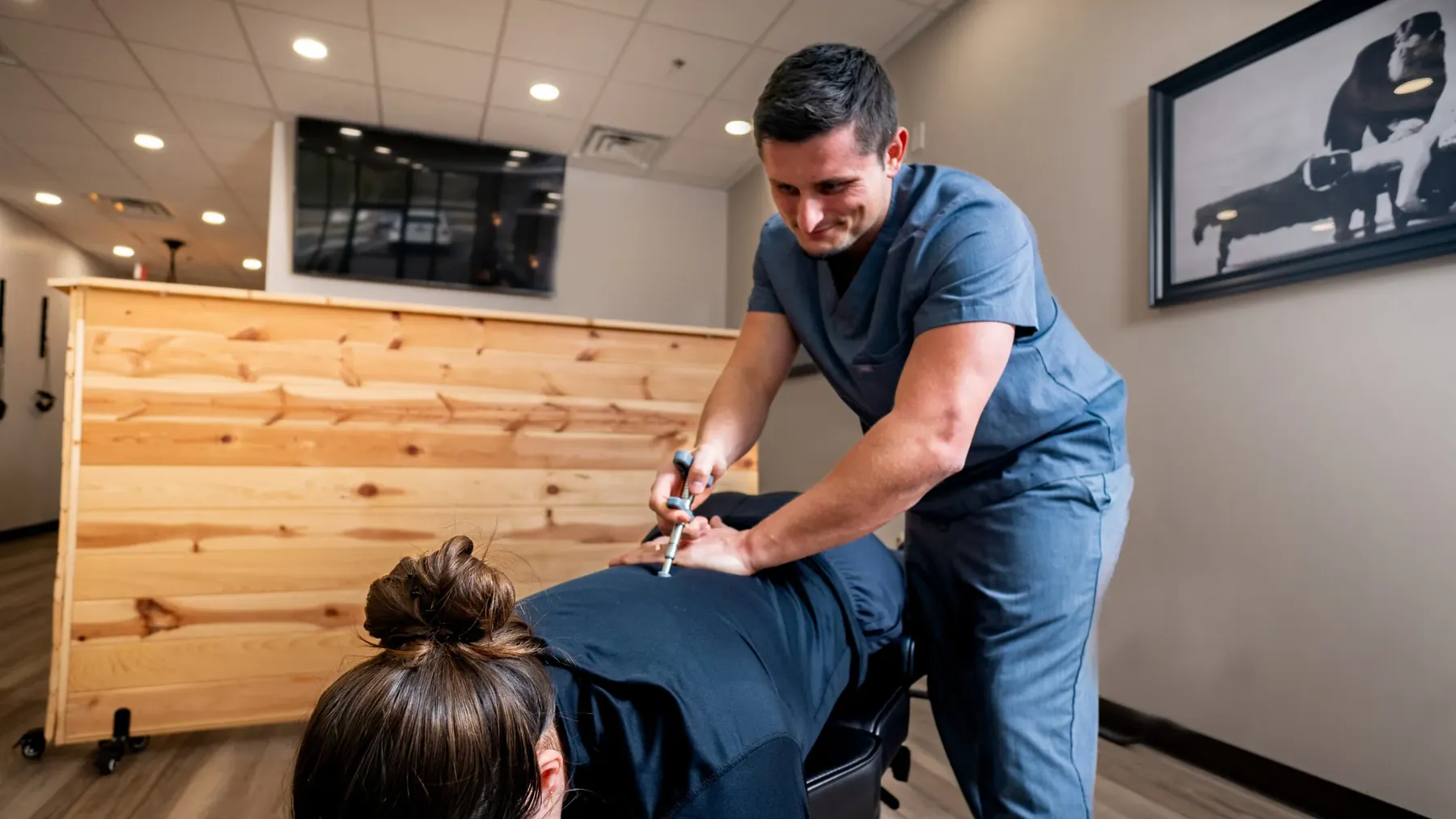
Dr. Palmer using an instrument adjustment for the upper cervical spine
"Most patients told their vertigo is from their ear actually have an upper cervical problem. The dizziness is real. The cause just was not where everyone was looking."
Dr. Palmer Piana, Life Charge Chiropractic
Beyond the Standard Exam

What we look for in a vertigo exam.

Vertigo has multiple causes, and each one looks different on exam. These are the specific findings that point us toward the right care, and away from the things that need a different provider.

01Type

BPPV vs cervicogenic vs vestibular migraine

These three causes look different on exam and respond to very different care. Sorting them out on day one is the most important thing we do, especially when symptoms overlap with migraine.

02Upper Cervical

C1 and C2 involvement

The atlas and axis at the top of the spine sit right where vestibular signals, blood flow, and proprioception converge. Misalignment here is one of the most common drivers of dizziness we see.

03Range

Neck range of motion

Restricted rotation, especially at the top of the neck, often correlates with cervicogenic dizziness. We measure how each segment moves and how that motion connects to symptoms.

04Eyes

Eye tracking and nystagmus screen

How your eyes track, hold a target, and respond to position changes tells us a lot about whether the vestibular system itself is involved, and whether what we are seeing is BPPV.

05Balance

Balance and gait testing

Standing balance with eyes open and closed, plus how you walk, gives us an objective look at how stable your balance system actually is, not just what you report.

06History

Onset and trigger history

Post-trauma, post-viral, and idiopathic vertigo each have different patterns. The timing of onset and what was happening around it usually points to the right category.

07Maneuver

Epley maneuver candidacy

When the exam confirms BPPV, the Epley maneuver is often the right intervention. We perform it in office and teach you the home version when appropriate.

08System

Vestibular system function

The vestibular system, the visual system, and the proprioceptive system all feed your sense of balance. We screen all three because they work as a connected system, not in isolation.

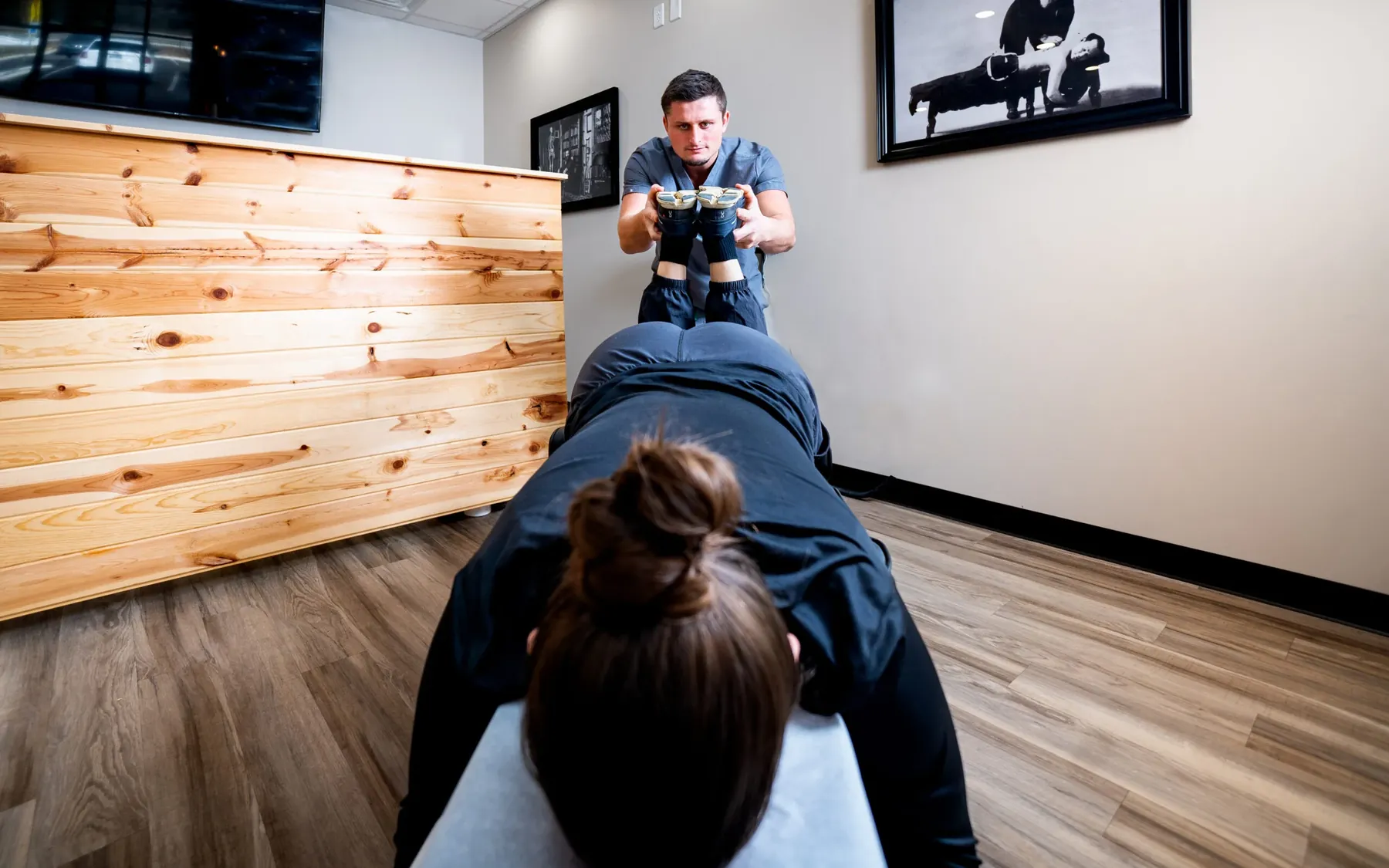
Dr. Palmer evaluating a patient with vertigo
A Connected-System View

Most ear vertigo is not actually an ear problem.

When dizziness shows up, the inner ear gets blamed first. That makes sense. The ear is a major part of the balance system, and the doctor most patients see first is an ENT. The trouble is, when the ear actually checks out fine, the conversation often stops, and the patient goes home still dizzy.

Balance does not come from one place. It comes from three inputs working together. The vestibular system in the inner ear, your eyes, and the proprioceptive signals from the joints in your upper neck. Your brain blends those three inputs to know where you are in space. When any one of them sends bad information, the system gets confused, and you feel dizzy.

The upper cervical spine, the joints at C1 and C2, sits right where many of those signals converge. Misalignment, restricted motion, or post-trauma changes in this region are some of the most overlooked causes of persistent dizziness. The ENT does not test for this. Imaging does not always show it. A focused chiropractic exam does.

When the upper cervical spine is the driver, specific care often produces fast change. When BPPV is the cause, an Epley maneuver can help. When something else is at play, including a true vestibular condition, you will know that, and you will know who to see next. The goal is the right answer, not just any answer.

Common Questions

Vertigo chiropractic FAQ.

Can a chiropractor help vertigo?
Often, yes. Many cases of vertigo trace back to the upper cervical spine, BPPV, or both, and both respond well to specific care. A focused exam tells us what is actually driving the dizziness so the care we deliver matches the cause, not just the symptom.
What kind of vertigo responds best to care?
Cervicogenic vertigo, vertigo from upper cervical misalignment, and BPPV are the most consistently responsive types. Post-concussive and post-trauma dizziness often improve significantly. Vestibular migraine and Meniere's disease are different conditions and may need a coordinated approach with other providers.
Is the Epley maneuver something you do?
Yes, when the exam confirms BPPV. The Epley maneuver is a positional sequence that helps reposition the small particles in the inner ear that are causing the spinning. We perform it in office and teach you a home version when appropriate.
How quickly does vertigo improve?
When the cause is BPPV or upper cervical, many patients notice meaningful change in the first one to three visits. Lasting change usually takes longer, because we want the underlying pattern to stay corrected. Dr. Palmer will give you a clear timeline at the report of findings.
Is vertigo from a car accident?
It can be. Whiplash and concussion both commonly produce upper cervical and vestibular symptoms that can show up as vertigo or dizziness, sometimes weeks after the accident. A focused exam after any collision is worth doing, especially if dizziness has appeared since.
Should I see ENT first?
Not always. If the exam points to upper cervical or BPPV, chiropractic care is often the right first step. If we find anything that suggests a true vestibular or auditory cause, we will refer to ENT. Many of the patients we see for vertigo have already been to ENT and were told things looked fine, even though they are still dizzy.

Tired of vertigo with no clear answers?

Schedule a new patient exam at Life Charge Chiropractic in Gallatin, TN. Same-week appointments available.

Schedule First Visit
Call (615) 219-9912Schedule First Visit