
Reviewed By
Doctor of Chiropractic · Palmer College of Chiropractic · Life Charge Chiropractic, Gallatin TN
Updated
May 2026
Educational only. Not legal advice and not a substitute for emergency medical care.
A step-by-step guide for the scene, the first 72 hours, insurance, and medical care.
Most people only ever do this once or twice. The choices made in the first hour, the first day, and the first two weeks shape both your health outcome and your insurance claim. This is a plain-English walkthrough written for Tennessee drivers, with the local rules and the medical realities that matter most.
The moments right after a collision are loud, adrenaline-soaked, and confusing. People skip steps they would never skip if they were thinking clearly. Use this sequence. It costs you nothing and protects you on every front.
If anyone is hurt or you have any doubt, the first call is 911. Everything else can wait. The rest of these steps assume the scene is safe and no one needs immediate emergency care.
Once you are home and the immediate scene is behind you, your job for the next 24 hours is simple. Start a paper trail and get a real medical look at your body, even if you feel okay. Adrenaline and acute stress hormones routinely mask injury at the moment of impact, and most people underestimate what their body just absorbed.
By day three, the inflammation curve from a typical soft-tissue injury is at or near its peak. This is when neck stiffness, headaches at the base of the skull, jaw tightness, and mid-back tension show up most clearly. It is also the window where a focused chiropractic evaluation gives you the most accurate picture of what the collision actually did to your spine.

Tennessee is an at-fault state. The driver who caused the accident is financially responsible for the damages, through their bodily injury liability coverage. This is different from "no-fault" states where each driver's own insurance pays first. In Tennessee, fault matters at every stage of a claim.
MedPay coverage. Medical Payments coverage is an optional add-on to your auto policy. It pays for medical bills after a crash regardless of who was at fault, with no copay and no deductible. Limits typically run from $1,000 to $10,000. Most patients we see have no idea they have it until we check. Read our full MedPay guide for how it works, what it covers, and how to find out if it is on your policy.
Uninsured and underinsured motorist coverage (UM/UIM). Tennessee law requires insurance carriers to offer UM/UIM coverage, though drivers can decline it in writing. This coverage steps in when the at-fault driver has no insurance, or not enough, to cover your damages. Roughly one in eight Tennessee drivers is uninsured, so UM/UIM matters more here than people realize.
Statute of limitations. In Tennessee, the statute of limitations is generally one year from the date of the accident for personal injury claims, and three years for property damage (T.C.A. § 28-3-104). One year is one of the shortest deadlines in the country. If you wait, you lose the right to bring a claim, full stop. This is educational information, not legal advice.
The "14-day rule" and why delays hurt your claim. Tennessee does not have a formal 14-day statute, but insurance carriers across the industry treat the first 14 days as a marker. If you wait more than two weeks to seek medical care, adjusters often argue the injury was minor or unrelated, and they reduce or deny the claim. Even when the legal deadline is much longer, the practical deadline for medical documentation is short. The sooner you get evaluated and start a paper trail, the harder it is to dismiss your claim later.
These are the most common errors we see when patients walk in for their first post-accident visit. Most are honest mistakes made in the fog of the moment. All of them are avoidable.
This is framing, not legal advice. Personal injury attorneys in Tennessee typically offer free consultations and work on contingency, meaning their fee comes out of any settlement and you pay nothing if they do not recover. A 15-minute call costs you nothing and tells you whether your situation needs one.
This page is educational. Whether to hire an attorney is a personal decision based on your situation. Most TN personal injury attorneys will tell you on a free consultation whether your case is one they would take.
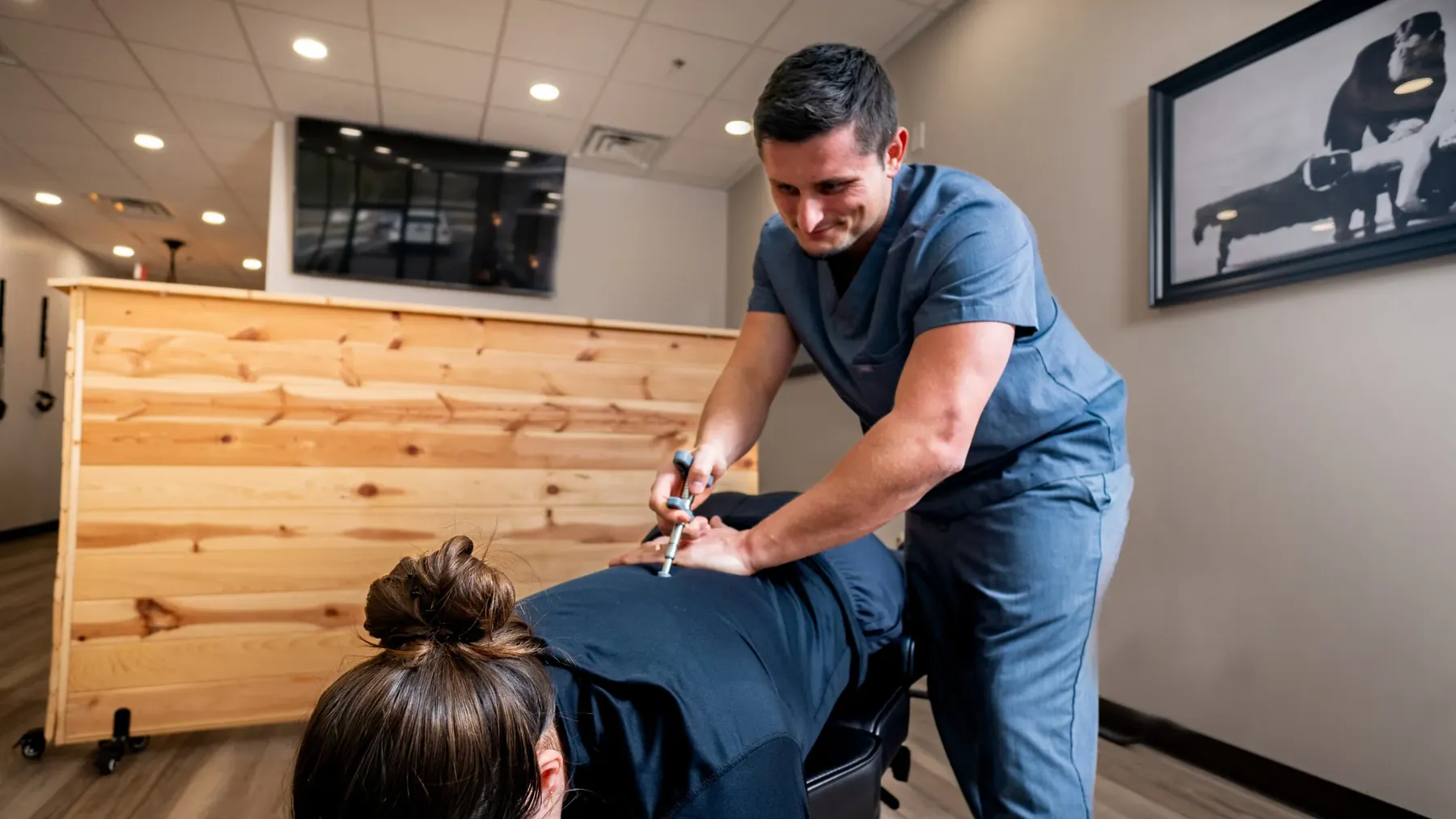
The ER rules out emergencies. Your primary care provider manages the big picture. A chiropractor with motor vehicle injury experience does the focused, structural work most providers do not have time or training for: motion-study X-rays, ligament integrity testing, upper cervical evaluation, whiplash grading, and the kind of week-over-week care that actually addresses the root.
At Life Charge Chiropractic in Gallatin, every post-accident patient gets a focused exam, digital X-rays, and a documented care plan from day one. We bill auto insurance and MedPay directly, accept personal injury liens when an attorney is involved, and explain costs and coverage clearly before any care begins. Most patients we see after an accident pay nothing out of pocket.
If you have been in a collision anywhere in Sumner County or the greater Nashville area, you can come in directly. No referral required. Learn more about our auto accident care, or schedule a same-day evaluation below.
Claim Free Consultation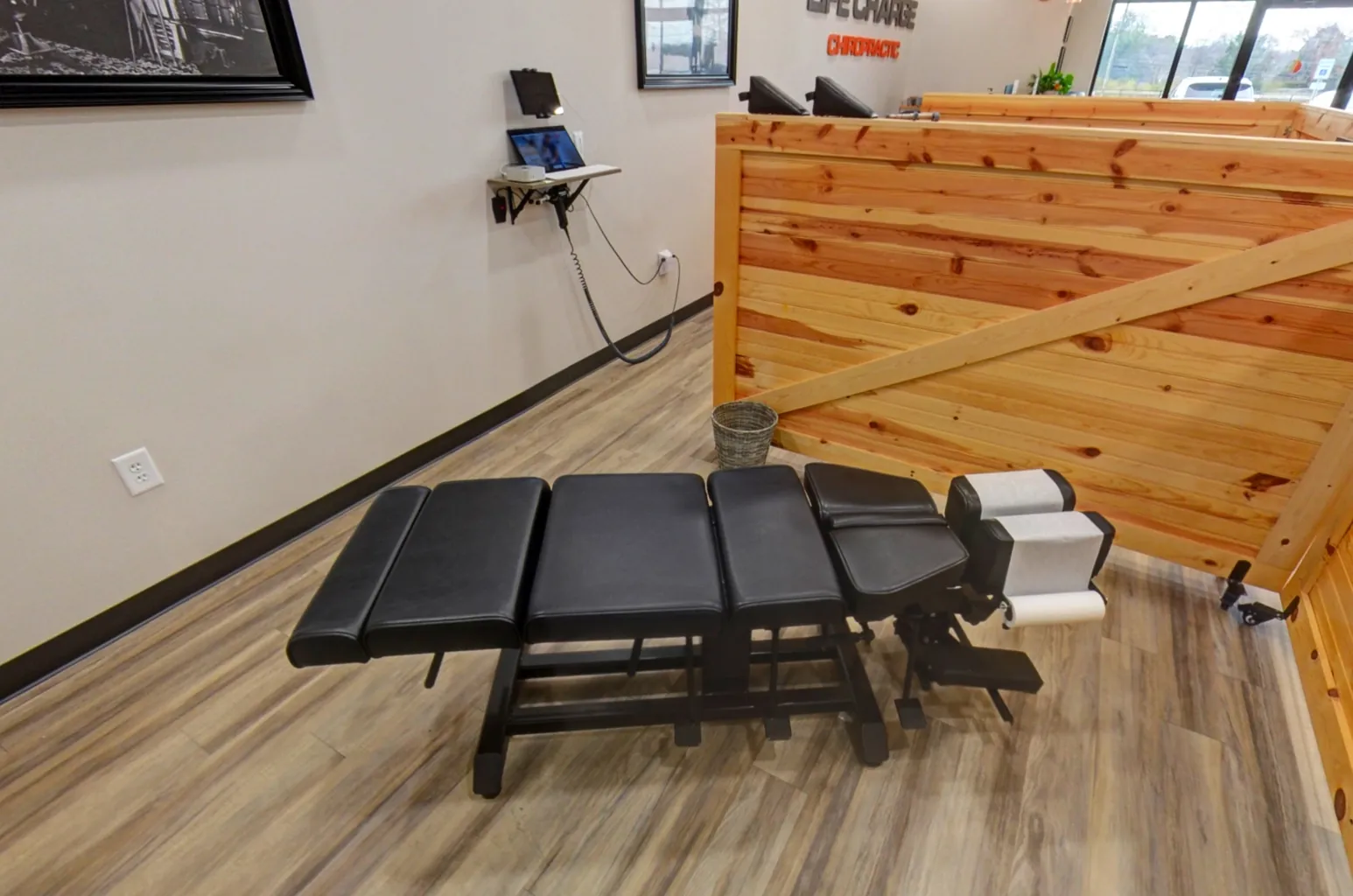
"Pain matters, but pain does not always tell the full story. After an accident, the best thing you can do for your future self is get evaluated early, document everything, and address the injury at the root."Dr. Palmer Piana, Life Charge Chiropractic
Same-day & next-day evaluations available at Life Charge Chiropractic in Gallatin.
Claim Free Consultation