Supporting Long-Term Function · Gallatin, TN

Corrective
Exercises

Chiropractic adjustments restore proper spinal alignment. Corrective exercises help the body maintain it. Together, they address the structural and muscular patterns that often drive recurring pain and limited function.

Schedule First Visit Call (615) 219-9912
Why Corrective Exercises

An adjustment addresses the spine. Corrective exercises address what keeps pulling it back.

Posture is more than how someone looks standing still. It can reflect spinal structure, muscle tension, movement habits, and stress patterns in the body. We evaluate posture as part of the bigger picture of how the spine and nervous system are functioning.

Corrective exercises are designed to directly address those imbalances. By strengthening weak muscles and releasing tight ones, they help the body hold chiropractic corrections for longer, reducing how often adjustments are needed and improving the durability of results over time.

At Life Charge Chiropractic, corrective exercise programs are personalized. Dr. Palmer performs a thorough assessment to identify the specific imbalances affecting your body, then creates a program tailored to your structure, fitness level, age, and goals, with clear instructions and demonstration so you can perform each exercise correctly.

Schedule First Visit
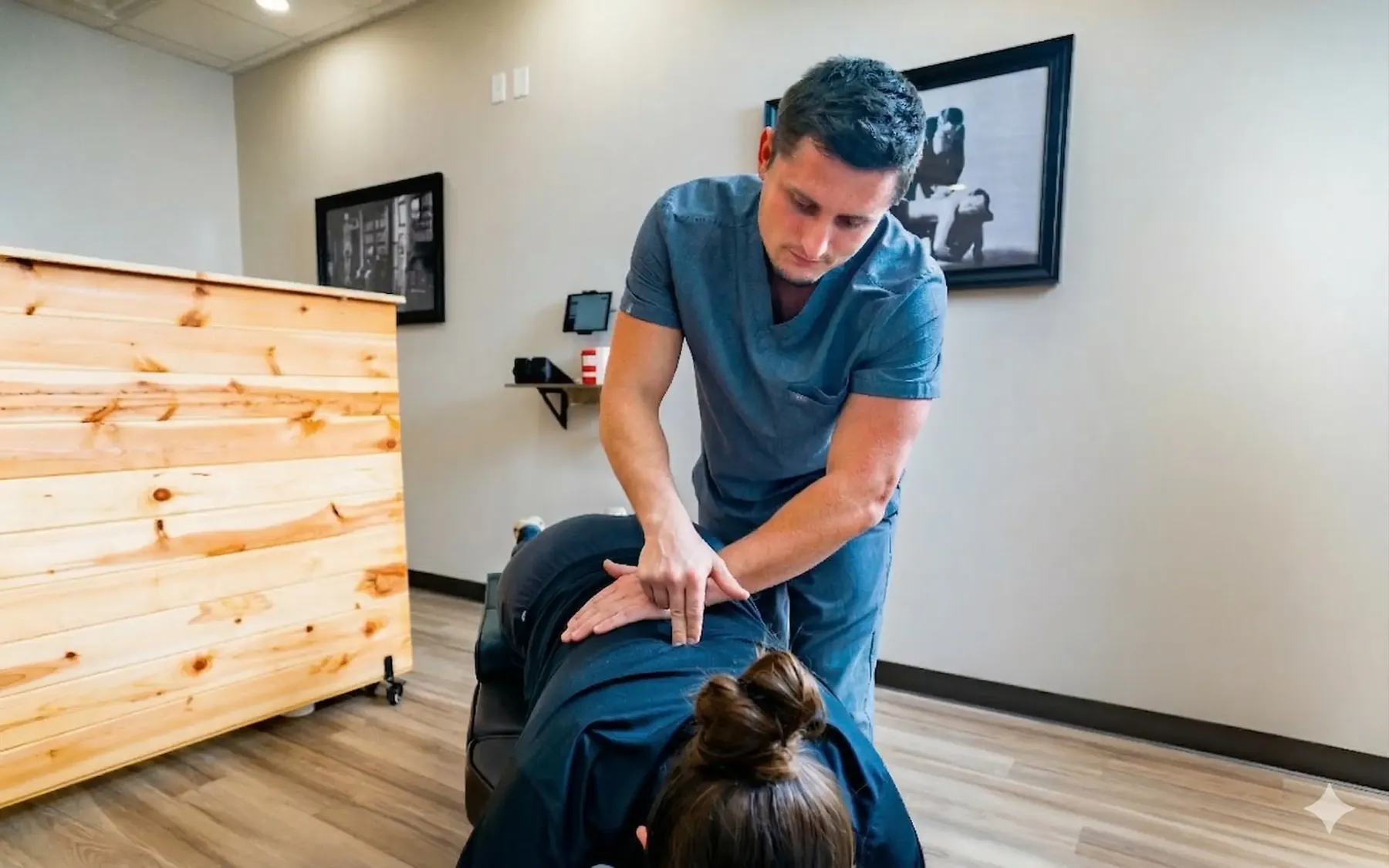
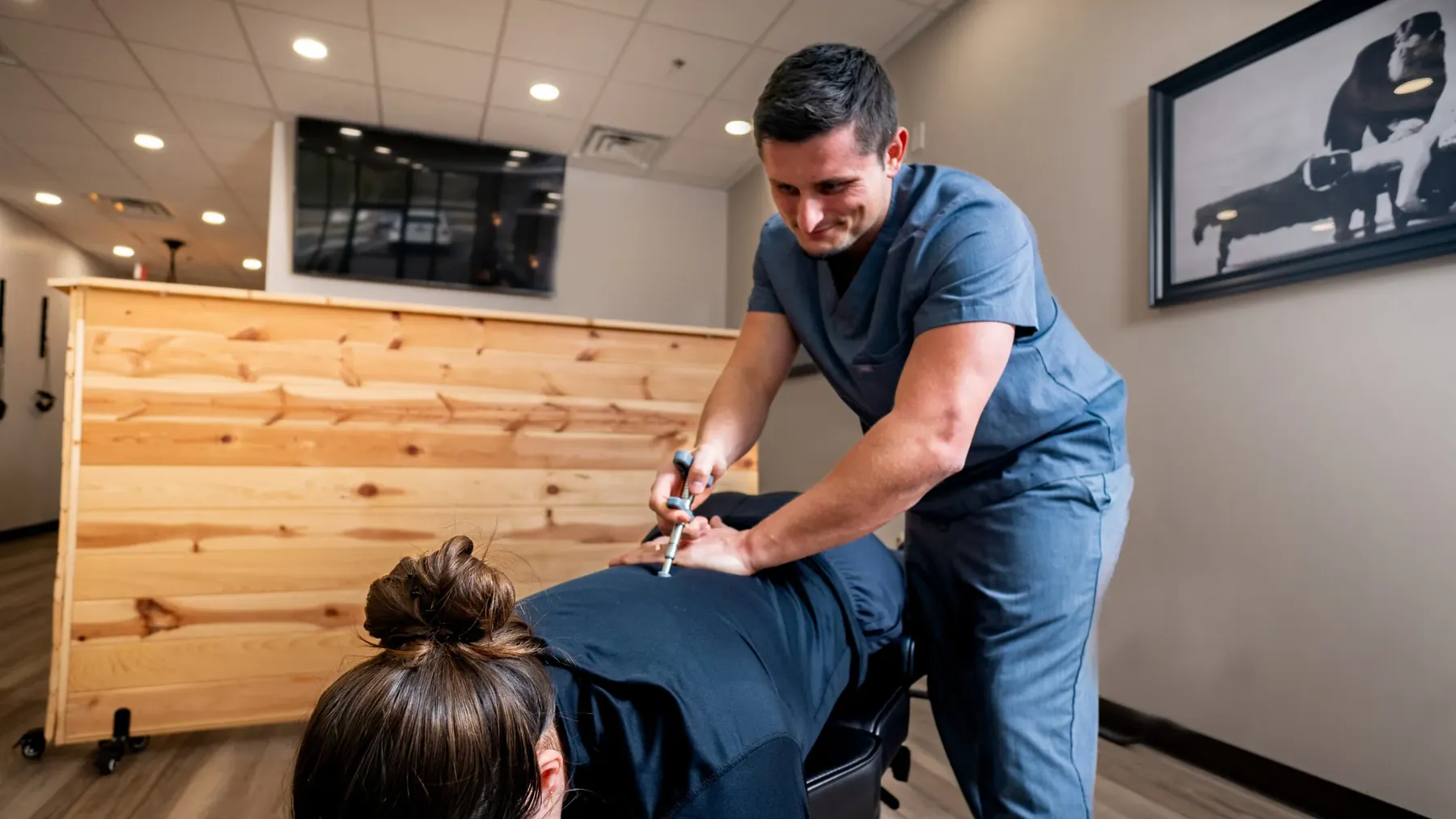
Dr. Palmer chiropractic care at Life Charge Chiropractic Gallatin TN
Benefits

What corrective exercises are designed to do.

01
Improved Posture
Strengthening and lengthening specific muscle groups helps correct the postural patterns, forward head, rounded shoulders, anterior pelvic tilt, that place chronic stress on the spine and joints.
02
Increased Flexibility
Targeted stretching improves range of motion in restricted joints and tight muscle groups, making daily movement easier and reducing the risk of re-injury.
03
Enhanced Strength
Building strength in the deep stabilizers of the spine, the muscles that support posture from the inside, improves overall structural stability and reduces load on passive structures like discs and ligaments.
04
Pain Relief
Corrective exercises help alleviate pain by addressing its underlying muscular causes, not just masking the symptom. When the structure is balanced, the pain signal often reduces.
05
Injury Prevention
Correcting imbalances and improving movement patterns reduces the likelihood of future injuries, especially in patients who are physically active or have physically demanding jobs.
06
Better Long-Term Results
Patients who incorporate corrective exercises into their routine tend to hold chiropractic adjustments longer and require less frequent care, because the body is actively maintaining its own alignment.
Our Approach

Personalized. Practical. Built around your findings.

We understand that adding a new routine to a busy life takes real effort. Every corrective exercise program at Life Charge is designed to be practical, exercises that are clear, easy to follow, and realistic given your schedule.

1
Muscle imbalance assessment
Dr. Palmer identifies the specific postural and muscular patterns affecting your spine, through the chiropractic exam, posture analysis, and range of motion testing.
2
Personalized exercise plan
A targeted program built around your findings, your fitness level, your age, and any underlying health conditions, not a generic handout.
3
Demonstration and instruction
Each exercise is demonstrated and explained in detail so you perform it correctly from day one. Proper form matters for both safety and results.
4
Ongoing adjustment and support
As your body responds and your exam findings change, your corrective exercise program is updated accordingly, progressing alongside your care plan.
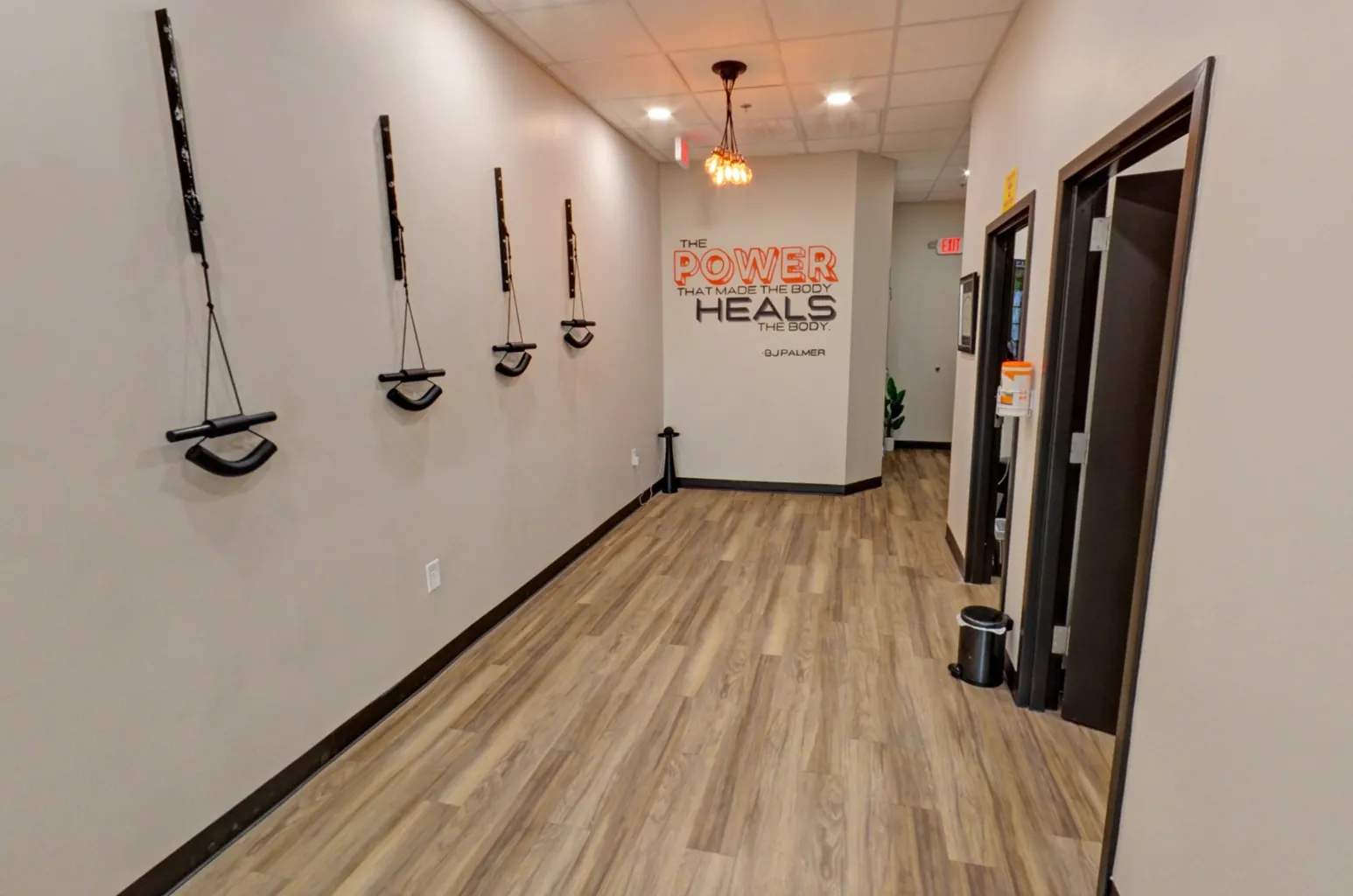
Corrective exercise equipment at Life Charge Chiropractic Gallatin TN
"An adjustment addresses the spine. Corrective exercises address what keeps pulling it back. Both are part of a complete plan, and both are always based on what your body actually shows in the exam."
Dr. Palmer Piana, Life Charge Chiropractic
Beyond the Standard Stretch

What we evaluate before prescribing exercises.

A generic exercise list cannot fix a specific problem. These are the things we screen for in a focused movement and postural exam, so the program we hand you matches what your body actually needs.

01Movement

Full-body movement screen

A structured movement screen, similar in approach to the Functional Movement Screen, gives us a baseline of how your body moves through squat, lunge, hinge, and rotation patterns. Weak links show up here long before they cause pain.

02Posture

Postural compensation patterns

Forward head, rounded shoulders, anterior pelvic tilt, and a hiked hip are all compensations. We map the pattern your body has settled into, then write the program around what is driving it, not just what looks off.

03Glutes

Glute activation and timing

When the glutes do not fire on time, the low back, hamstrings, and hip flexors take the load. We test activation and timing directly, because a sleeping glute is one of the most common drivers of recurring low back complaints.

04Core

Deep core function

The deep core, transverse abdominis, multifidus, pelvic floor, and diaphragm, stabilizes the spine before any limb moves. We screen this firing pattern instead of just counting how many sit-ups you can do.

05Breath

Breathing pattern

A chest-dominant or shallow breathing pattern leaves the diaphragm underused and the neck and upper traps overworked. Breath retraining is often the missing piece in necks, shoulders, and ribcages that will not settle.

06Shoulders

Scapular control

The shoulder blades anchor every arm motion. Poor scapular control sends load into the neck, the rotator cuff, and the upper back. We test how the scapulae move with reaching, pressing, and pulling, and prescribe accordingly.

07Mobility

Hip and ankle mobility limits

A stiff hip or a locked-up ankle forces the spine to make up the difference, every step, every squat, every stair. We measure mobility at both joints because they often explain low back and knee complaints upstream.

08Asymmetry

Side-to-side asymmetries

Most bodies are not symmetrical, and small differences are normal. Larger gaps in strength, mobility, or control between sides predict injury and inform which corrective exercises need to be one-sided rather than bilateral.

Dr. Palmer reviewing a corrective exercise program with a patient
Why Specificity Matters

Generic exercise programs fail for a reason.

Most people who walk in asking for a stretching routine have already tried one. A program from the internet, a sheet from a previous provider, a few moves a friend swears by. They worked for a while, or they did not, but the underlying pattern that is creating the problem did not change. That is the gap corrective exercise is designed to close.

Corrective exercise is not the same as physical therapy, and it is not the same as a workout. The goal is to retrain a specific structural and neurological pattern, not to chase a sweat or build a muscle. A well-prescribed corrective program is short, targeted, and meant to be repeated, often, until the new pattern becomes automatic.

Adjustments and corrective work are designed to reinforce each other. The adjustment opens up motion at a restricted joint and changes how the nervous system is firing in that area. Corrective exercise then trains the surrounding system to hold that change. Without the exercise, the body tends to drift back into the pattern it knew. Without the adjustment, the exercise is asking a stuck joint to move it cannot.

Specificity matters more than intensity. Five minutes of the right exercise, done consistently, will outperform forty-five minutes of generic stretching every time, because it is changing the thing that is actually wrong.

Common Questions

Corrective exercise FAQ.

How is corrective exercise different from physical therapy or just stretching?
Corrective exercise sits between the two. It is more specific than a generic stretching routine and more focused on root structural patterns than most short-term physical therapy plans. We pair it directly with chiropractic adjustments, so the work is reinforcing the structural correction rather than working around it.
How long until I see results?
Most patients notice improved mobility or reduced symptoms in the first two to four weeks if they are doing the exercises consistently. Lasting structural and neurological change takes longer, usually two to three months of consistent work, because we are retraining a pattern, not just stretching a tight muscle.
Will I get a written program to take home?
Yes. After Dr. Palmer prescribes your exercises, you receive a written program with clear instructions, sets, reps, and notes on form. Each exercise is also demonstrated in person so you can perform it correctly from day one, and we update the program as your exam findings change.
Do I need a gym or special equipment?
No. Most corrective exercises are designed to be done at home with little or no equipment. When something is needed, it is usually a resistance band, a foam roller, or a towel, items most people already have. The goal is for the program to fit your life, not the other way around.
Can I do corrective exercise if I have chronic pain?
Yes, and often it is exactly what chronic pain needs. The program is built around your tolerance and what your exam shows. We start at a level that is safe for the irritation you are in, then progress as the structural and neurological pattern improves. Care is adjusted to you, never the other way around.
How often should I do my exercises?
Most corrective programs are designed to be done daily, or close to it, in short sessions of five to fifteen minutes. Frequency matters more than duration. The nervous system learns through repetition, so a brief, daily routine consistently outperforms a long session done once a week.

Ready to support your adjustments with corrective care?

Schedule your first visit at Life Charge Chiropractic in Gallatin, TN. We start with a thorough exam, then build a plan around what we find.

Schedule First Visit
Call (615) 219-9912Schedule First Visit